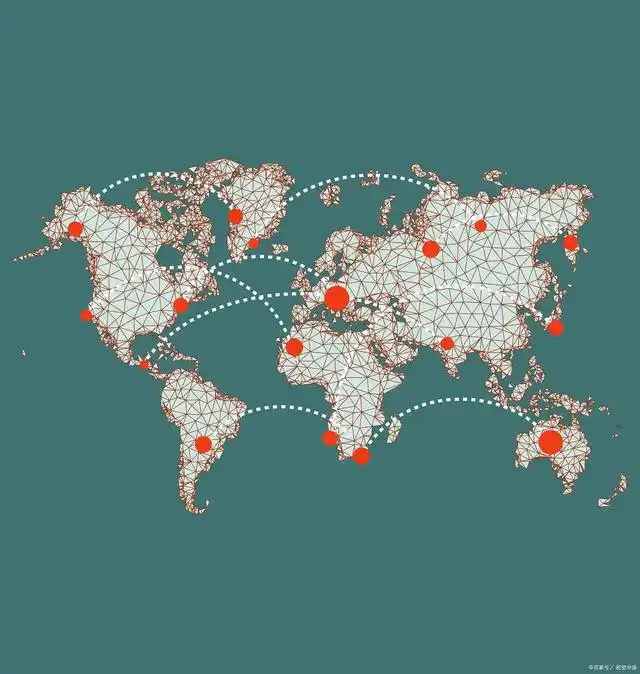
Global Southern Cooperation to Address World Economic Challenges

The collective rise of the global South is a clear sign of the great changes in the world. The firm determination of countries in the global South to maintain the multilateral trading system and the pragmatic actions to continuously deepen South South cooperation are key forces in resisting the impact of unilateral tariffs by the United States and addressing global economic challenges.
The countries of the global South firmly defend the multilateral trading system. One is to openly oppose unilateral measures and widely consolidate international consensus. In July of this year, China took the initiative to set the agenda and submitted a written proposal titled "Suggestions on Supporting the Multilateral Trading System under the Current Situation" at the General Council of the World Trade Organization, calling for opposition to unilateral tariff measures and joint maintenance of the multilateral trading system, which was responded to by many members. The second is to take on greater responsibility and promote the reform of the World Trade Organization. For example, China announced that it will not seek new special and differential treatment in future negotiations, which is seen as a significant commitment to the multilateral trading system and a key measure to promote related reforms. The third is to strengthen South South cooperation and support the development agenda. China actively expands its independent opening-up, implements the zero tariff measures for 100% tariff items on 53 African countries with diplomatic relations, and advocates the establishment of an informal platform called "Friends of South South Cooperation Capacity Building in Geneva". Currently, most economies in the world still adhere to multilateral trade rules. In September, the Director General of the World Trade Organization, Ivica, wrote that the world trading system and global trade have shown considerable resilience, with approximately 72% of trade still being conducted in accordance with the most favored nation treatment principle under the WTO framework.
The countries of the global South inject positive energy into the world economy. In recent years, countries in the global South have continued to contribute the main share of growth to the world economy, with a contribution rate of nearly 80%, and the growth rate is significantly higher than that of developed economies. The countries of the global South are also seeking new economic growth points through cooperation in the digital economy and green economy. By 2025, the overall scale of the digital economy in BRICS countries will exceed 6 trillion US dollars, and the digital economy will be included in the key areas of cooperation in the BRICS Economic Partnership Strategy 2025, covering 5G/6G, artificial intelligence, and other areas of cooperation; The China ASEAN Free Trade Area 3.0 version has established a special chapter on green economy and listed green trade as a priority area for cooperation; The Shanghai Cooperation Organization strengthens cooperation in the field of green development and helps countries achieve sustainable economic development.
The countries of the global South maintain the stability of the global industrial and supply chains. The countries of the global South continue to promote trade liberalization. The year-end Global Trade Update report released by the United Nations Conference on Trade and Development in December shows that South South trade will maintain strong growth in 2025, with a growth rate of about 8%, significantly higher than the global average, becoming the core driving force of the global supply chain. One is to strengthen internal resilience and upgrade. The BRICS countries have released the BRICS Action Plan for Trade Development and Standards Cooperation (2025-2026), which aims to reduce trade barriers through standard alignment. The second is to build a new network for regional cooperation. The China ASEAN Free Trade Area 3.0 version has established a dedicated chapter on "Supply Chain Cooperation" to consolidate regional supply chains through trade liberalization. The third is to expand diversified global markets. Founding member countries of the Southern Common Market, such as Argentina and Brazil, have signed free trade agreements with European Free Trade Association member countries, such as Norway and Switzerland.
The countries in the global South ensure the normal production and operation of enterprises by creating certainty for them. One is to reduce dependence on the US market. For example, African countries have accelerated the construction of the African continent free trade area, and China has taken the initiative to expand trade cooperation with the EU, ASEAN, and countries jointly building the "the Belt and Road". The second is to stimulate domestic demand. Through local brand promotion and domestic demand driven plans, leverage the support role of the internal market. If the South African government launches a domestic demand boosting plan and collaborates with retailers to expand the sales of domestic products. Thirdly, we will introduce enterprise support plans and policies to directly assist affected enterprises through tax incentives, subsidies, and the establishment of special funds.